CSSP FIVE for 2025: Policy Priorities to Champion Economic Justice, Health Justice, and Family Autonomy
Heading into 2025, the challenges young people and families face [...]
Heading into 2025, the challenges young people and families face [...]
Strengthening Families, developed by the Center for the Study of [...]
Raegen Selden talked with CBS Evening News about how the [...]
The Census Bureau released data this week indicating that families with children experienced high rates of financial hardship and economic insecurity for a second year in a row, as policymakers have allowed critical pandemic-era investments in children and families to expire. Lawmakers’ decision to sunset investments in children and families over the last two years has had predictably devastating results. In 2022, when the temporary expansion of the CTC expired, child poverty more than doubled, from 5.2 to 12.4 percent, and as this week’s Census data show it remained high in 2023. In 2023, refundable credits still lifted 6.4 million people out of poverty, including 3.4 million children; the CTC alone lifted approximately 1.4 million children out of poverty. But because lawmakers have failed to reinstate the CTC expansion, refundable credits are doing less to reduce poverty than we saw in 2021, when 9.6 million people were lifted out of poverty by refundable credits, and 5.3 million people, including 2.9 million children, were lifted out of poverty by the CTC alone.
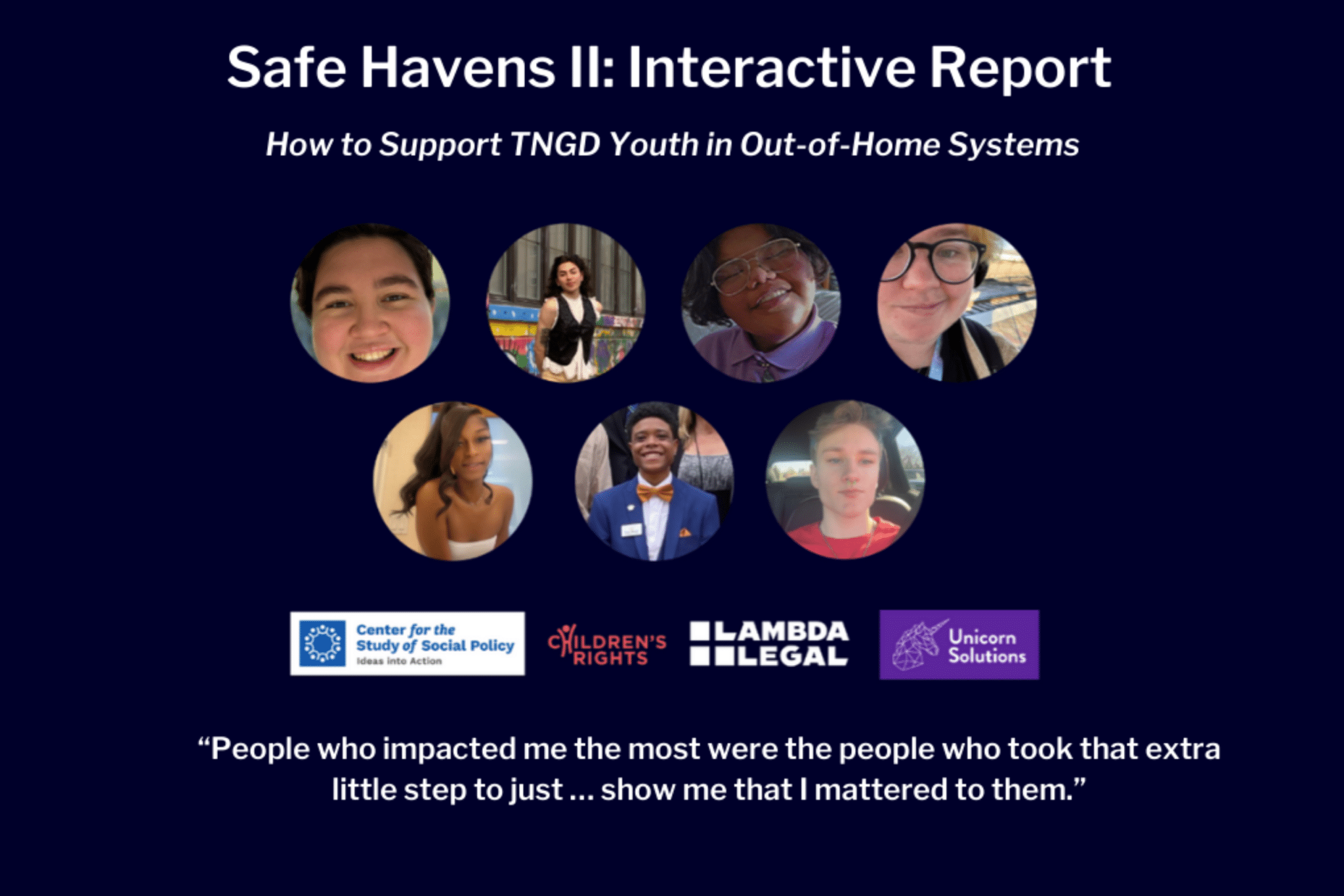
Safe Havens II: We Must Affirm and Protect Trans, Nonbinary, and Gender Diverse Youth in Out-of-Home Systems, developed by CSSP, Children’s Rights, Lambda Legal, and Unicorn Solutions, includes an update on important law and policy protections and attacks on LGBQ+ and TNGD young people along with recommendations for system improvement from young advocates with lived experience in out-of-home systems.
During the pandemic, the expanded Child Tax Credit was a lifeline for [...]
“A recently released report from the Center for the Study of [...]
Today, the Administration of Children and Families published an interim final rule that creates a framework for how states will report employment and education outcome data for their Temporary Assistance for Needy Family (TANF) programs in the years to come. The rule is intended to implement the Fiscal Responsibility Act of 2023, which places new requirements on states to report on employment, earnings, and high school attainment of families after they stop receiving TANF.
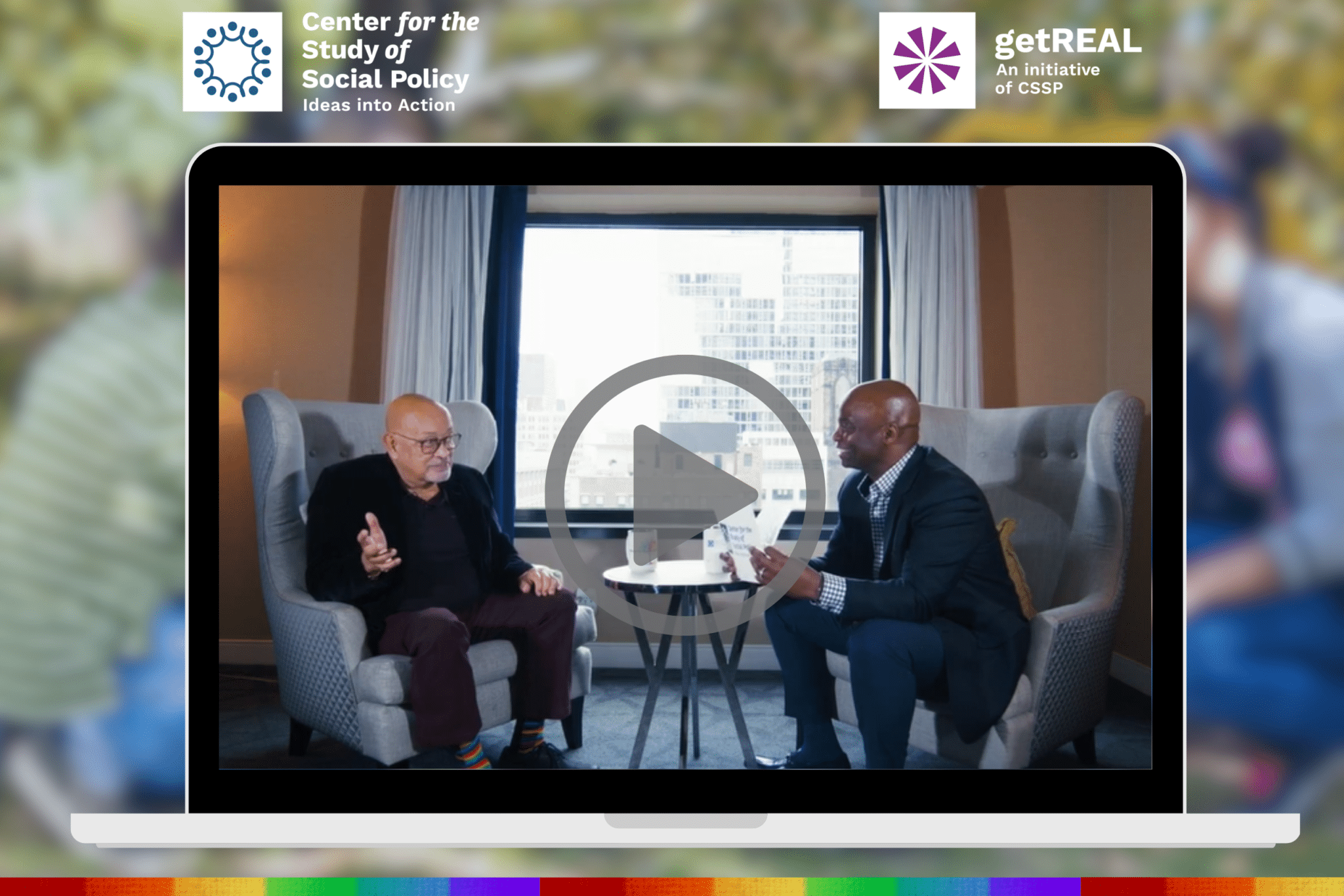
All children and their families deserve to thrive, living in communities that promote their safety, health, and happiness. We must remember that we owe all of our children this level of care and support and to achieve this we have to reimagine policies and programs in ways that center and support gender expansive and LGBTQ+ children, youth, their families and communities. This requires recognizing, engaging, affirming, and loving our young people—in short, it requires us to getREAL about what they need to thrive.
Children need access to affirming, supportive, and inclusive health care; to caring adults who fully support and honor their development; to schools that promote their growth and learning; and to communities and friends that respect and support them. Unfortunately, despite knowing what children need, policymakers in many states have done the exact opposite, and are doing so at a staggering rate.