
Conversion is Not Care: A Response to the Supreme Court’s Decision in Chiles v. Salazar
April 3, 2026
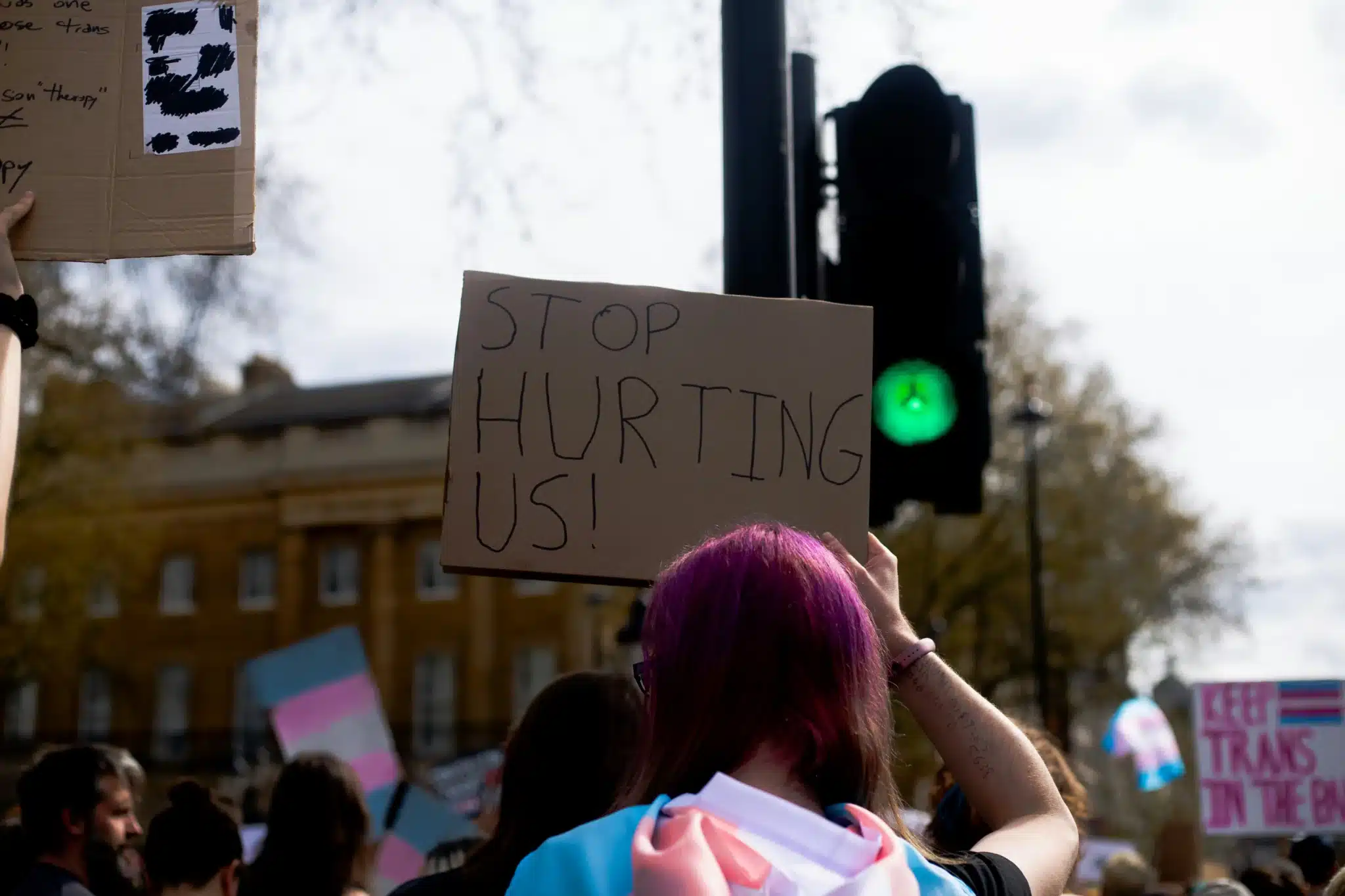
On Tuesday, in Chiles v. Salazar, the Supreme Court ruled in favor of a petitioner who challenged Colorado’s 2019 law that bans “conversion therapy,” a practice that undermines the healthy development of a child or youth who identifies as LGBTQIA+, and imposes penalties on therapists and other medical professionals if they violate the ban. The petitioner, therapist Kaley Chiles, alleged that Colorado’s law infringed upon her First Amendment rights to free speech. After her earlier challenges in the lower courts were unsuccessful, Chiles brought the case before the Supreme Court. In an 8-1 decision, the justices ruled that the lower courts had not sufficiently scrutinized the ban’s free speech implications. Deciding that Colorado’s ban went too far in restricting the therapist’s speech, the justices sent the case back to the lower courts to reassess the law using a more stringent test, which will likely result in the law being overturned. While the decision does not impact other state laws with bans on “conversion therapy,” it raises concerns that they will also be challenged. CSSP is deeply disappointed by the ruling and is concerned about the message this sends to states and LGBTQIA+ youth. As Justice Jackson shared in her dissent, the decision “ultimately risks grave harm to Americans’ health and wellbeing” (Chiles v. Salazar, 607 U.S. 35 (2026) (Jackson, J., dissenting)).
Despite the court’s ruling to send the case back to the lower courts, it is important to note that the court did not dispute the known harms of “conversion therapy” practices. Nothing in this decision counters what children, youth, families, and researchers all know: that there is nothing therapeutic about any form of “conversion therapy,” which consists of a range of ineffective and deeply harmful practices that deny the validity of a child or youth’s sexual orientation or gender identity (SOGI). Decades of research has shown that a person’s SOGI cannot be changed, and that any approach that tries to “convert” people to conform with heterosexual and cisgender expectations is fundamentally ineffective and misleading. Moreover, the denial of a person’s identity is detrimental to their health and wellbeing, particularly for young people. Significant research has consistently shown that shaming young people and stigmatizing them increases the risk of depression and suicide, and causes long-term trauma that negatively effects life outcomes. Due to the clear harm that conversion practices cause to children and youth, all major medical and mental health associations— including the American Psychological Association, the American Medical Association, and the American Academy of Child & Adolescent Psychiatry—have rejected “conversion therapy” as unethical and a violation of a provider’s duty to do no harm. As Justice Jackson argued, “conversion therapy” is a dangerous approach that does not meet established standards of ethical care: the ban is “based on the medical profession’s broad consensus that this medical treatment…is ineffective and harmful” (Chiles v. Salazar, 607 U.S. 1, (2026) (Jackson, J., dissenting)).
Children and young people deserve better. We owe all children and youth high-quality, evidence-based health care services that support their health and wellbeing. At CSSP, we are committed to ensuring a just future where policy supports and affirms all children and youth in their families and communities. The intent of Colorado’s law was to protect and promote the health and wellbeing of Colorado children and youth by ensuring they were not subjected to practices that significantly traumatize LGBTQIA+ children and youth. Moreover, the law rightly acknowledged that young people need to be affirmed and loved for who they are. The evidence is clear that supporting the health and wellbeing of all children and youth requires policy solutions that promote affirmation and acceptance, prohibit discrimination of a person based on their SOGI, and ban harmful practices, including “conversion therapy.” In the wake of the Supreme Court’s decision, it is critical to seek ways to protect all children and youth from harmful practices and to advance services that support youth’s healthy identity development.