Centering Family and Community in Approaches to Child Wellbeing: Working in Partnerships with Tribes in Child Welfare
February 25, 2026
This blog is part of the series, Learning from Diverse Indigenous Communities: Centering Culture to Support Child and Family Wellbeing. Read the intro blog to learn more about our work.
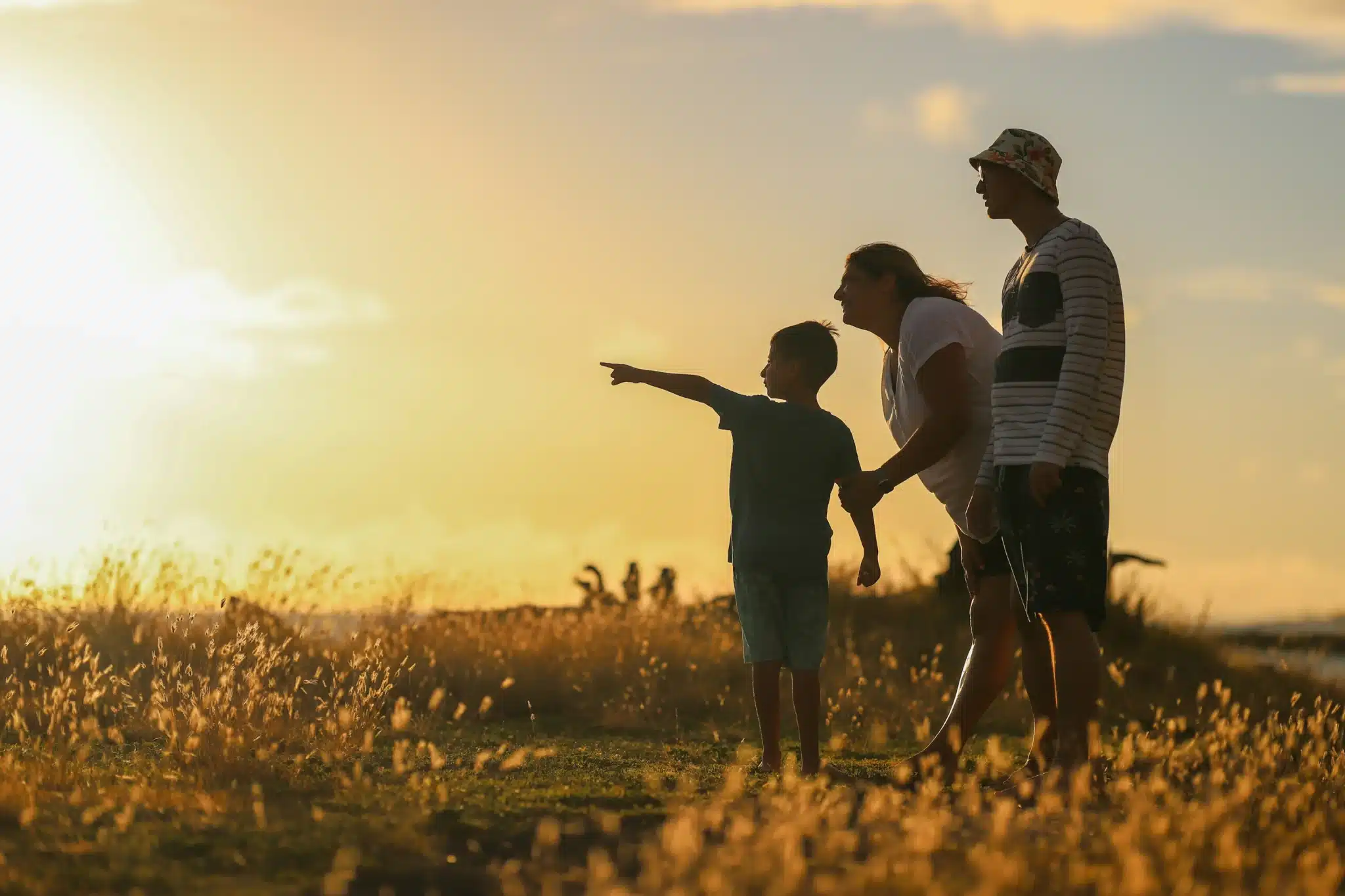
An emphasis on family and community well-being is a deeply embedded value in Native American communities. Core to the approach to child well-being and child welfare is that children grow up in what they define as their families, and these families make up their communities. Central to this is the principle that if we can support the entire family, children will be better off.
Laws to Address the Separation of Native Children from their Families and Tribes Are Critical, But Not Enough on Their Own
The importance of respect for family and Native community connections has been repeatedly recognized at the federal level. In 1978, the Indian Child Welfare Act (ICWA) was passed to address the high percentage of Native American children who were being removed from their families, communities, and Tribes, and placed in non-Native American foster and adoptive homes. This law —and the Supreme Court’s 2023 decision to uphold the law in the face of challenges —recognizes the centuries of harm and destruction to the integrity of Native American families, and the rights of Native American people and families to cherish and raise their children in their cultures and traditions. To further this, according to the National Indian Child Welfare Association (NICWA),18 states have passed their own state versions of ICWA, and many have intergovernmental agreements between Tribal Nations and States and counties, as well as administrative tools that support ICWA implementation.³
The creation, enforcement, and protection of ICWA is one necessary part of respecting the tribal sovereignty of First Nations, however, despite ICWA, data show harm and disproportionate involvement with child welfare systems continues to occur. Native American children have a significantly greater risk of child welfare involvement and removal and are overrepresented within state foster care systems due to racism, oversurveillance, and related systemic community disinvestment. Data from 2023 show that American Indian and Alaska Native children have the highest rate of entry into foster care—at 6.2 per 1,000 —more than three times the national average and well above the rates for all other racial groups.
Community and family connections are extremely important for the health and development of children. As former CSSP board member and longtime, well respected Tribal Judge William Thorne put it, “On a reservation, you grow up surrounded by a rich, caring community. And if you have difficulty, you know there are people who will step up and help.”¹
What We Have Learned Through Our Class Action Work with Native Communities
Through CSSP’s work in child welfare reform through class action litigation, we support systems to identify areas in need of change and to develop strategies to facilitate reform for improved outcomes for children and families. One such goal is to support the reduction of overrepresented populations in foster care by understanding and addressing disparities that exist across a family’s experience with child welfare systems. Disparities might start at the onset of abuse and neglect reporting processes, continue through decisions to remove children from their homes, and for those who are removed from their homes, carry on through placement and if and how they remain connected to their families and communities—a central component of ICWA.
Through our work, we also recognize the importance of making data available that shows disproportionate outcomes across certain populations. This must be done with care and consideration to respect data sovereignty and the potential for misinterpretation or negative storytelling that can result from the data without accurate context and care.
When entering into a state or county in a monitoring or technical assistance role, CSSP staff work to connect with and understand the impact of state agencies and systems on local Tribes. As our work at CSSP has evolved, we continue to stand by our core belief that those most impacted by an issue are those best suited to create the solution. We continue to seek the guidance and partnership of communities, especially those communities whose ancestral homelands we are seeking to contribute to.
We hold central the need for respect, communication, and valuing each Tribes prioritization and preferences for traditional and cultural responses and supports over westernized approaches to child welfare. These efforts can be seen in our day-to-day work with our partners. An example from our time monitoring child welfare system change efforts in Northern California, is the simple approach staff took to not only meet with each individual Tribe and their child welfare directors, but to meet them on their Tribal lands, at their local Tribal offices. The Tribal child welfare directors noted how meaningful it was that those working in the county, especially people who do not live in the region, made the effort and took time to come to their homelands.
As children in the United States continue to face loss of safety net program funding, funding for vital services, and an ever-increasing wealth gap, those populations that are already suffering from disproportionately high contact with child welfare systems are at increased risk of even further system involvement. To ensure that our work promotes the health and well-being of children and families in Native communities, we have to support implementation of ICWA with fidelity, address issues head-on as they arise, ensure families have the resources needed to maintain connections and support each other, and do so in meaningful partnerships with Tribes and Native communities and with deference to community-specific traditions, strengths, and approaches.
Looking at child welfare and the broader early childhood field, Judge Thorne states, “Western science and tribal traditions have gotten to the same place now, finally.” He continued, “Both recognize that connections are necessary for those kids to be healthy. Children need their parents, their relatives, their neighbors. They need that in their life. If it’s not perfect, then let’s fix it. Taking them away is not the solution except in the most extreme cases.”²
³An example from Northern California of a child welfare Memorandum of Understanding (MOU) and Protocol between the Hoopa Valley Tribe and Humboldt County is available here: https://cssp.org/hoopa-valley-tribe-humboldt-county-sign-historic-child-welfare-mou-protocol/. The MOU focused on ensuring shared decision making between the county child welfare department and the Hoopa Valley Tribe when responding to child welfare reports and investigations.